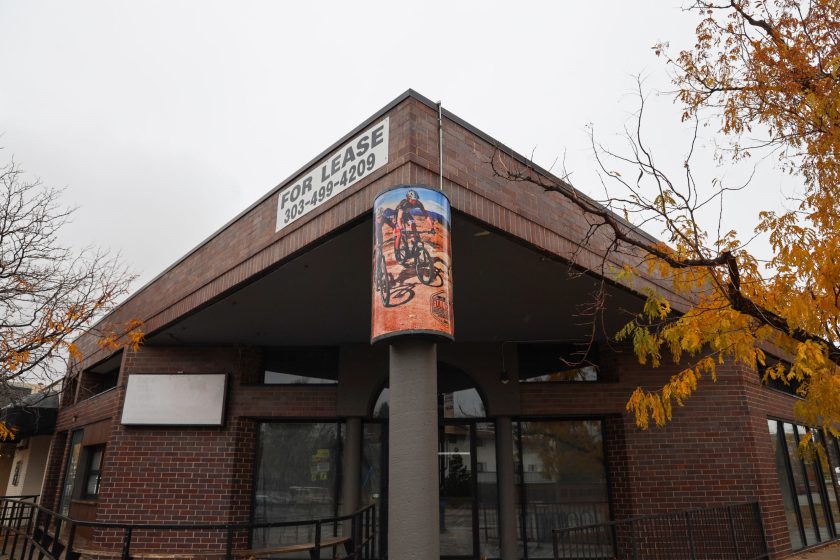
Efforts to increase commercial affordability in Boulder and beyond take time and planning
After reaching capacity at the North Boulder location some time ago, BookCliff Vineyards owner Ulla Merz has searched for a new space elsewhere in Boulder County for years, with little success.
“It’s very challenging in Boulder County to find affordable space for what we are doing,” she says. Currently, she leases two industrial condos from two different landlords, paying rent, HOA fees, and other commercial costs like property taxes, insurance, and utilities for each unit.
But there’s little industrial space left in the area, and what is here, Merz says, is quickly leased by marijuana and CBD manufacturers whenever it does become available.
“They snatch them up before we realized we need to expand. And they could out-bid us, we could not afford the spaces at the price they could command,” she says. “I feel like it’s what happened in [the] residential [property market] in 1992, right? There was just not enough inventory available to purchase.”
Around the country, the lack of affordable commercial space is challenging for small, local, and underserved businesses and business owners who either want to stay open or get a foothold in the first place. As is the case with housing, many people find it difficult to start, maintain or grow a business in their own community, leading to overall affordability challenges in many areas. Now, with the economicimpacts of COVID-19, the business landscape of many cities is changing. Businesses have closed or moved to fully remote work, leaving ample room for communities to evaluate how to build back local economies in more sustainable ways. But, the movement to address commercial affordability around the country is nascent. Cities like New York, San Francisco, Seattle, and Portland, Oregon are still in the pilot stage of many programs.
In Boulder, new development at 30th and Pearl will include some affordable commercial space that the city negotiated with the developer, but the space is yet to be leased. But the city’s effort to more broadly include commercial affordability through zoning failed to meet muster according to a City Council vote in June 2021. At the same time, longtime businesses have closed, others are relocating outside of the city or at least farther afield from downtown.
While some areas may still be cheaper than others, “the whole city is impacted,” says Karl Guiler, senior planner for the City of Boulder.
“We’ve seen some establishments that are struggling to stay in Boulder because of the increased rent or they’ve had to keep moving around to find more affordable space,” he says. “Sometimes they find it in Boulder and other times they have to leave Boulder or some have gone out of business. So, it’s definitely been noticeable the last several years; certain businesses that have been mainstays in Boulder have had to shut down or move elsewhere.”
Read more here.
 Angela K. Evans