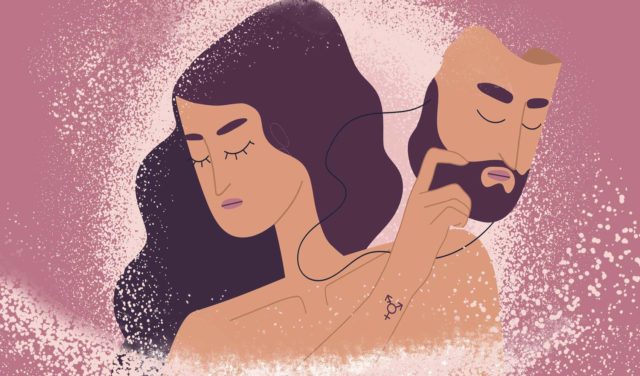
 In Estella’s home country of Cuba, transphobia is rampant, she says. She’s been attacked. She’s been targeted by police. There are no human rights, she says. There is no access to HIV medication.
“I preferred to risk my life than continue that way,” she says through her lawyer at the Rocky Mountain Immigrant Advocacy Network (RMIAN). Estella is a pseudonym. She, like many within the transgender community currently detained at the Immigration and Customs Enforcement (ICE) Aurora Contract Detention Facility operated by the GEO Group, Inc., is hesitant to share personal details about where she’s from or the situation that led her to flee to the U.S. Like many transgender people seeking asylum in the U.S. she fled violent transphobia in her home country only to be prolongly detained by ICE in a system, advocates claim, ill-equipped to provide for their specific needs and care.
Being in detention is “dreadful, ugly,” Estella says, according to her lawyer. “We are here asking for asylum and they’re treating us badly. Some of the officers treat us like men. They have a phobia. It’s more of a problem with the women.”
Estella says that being in detention has affected her physically, mentally, emotionally — “Daily and completely, in every sense of the word.”
And she’s not alone. Although the Aurora facility has housed transgender people for some time, the numbers have steadily been increasing since 2019, says Laura Lunn, detention program managing attorney at RMIAN. Then, on Jan. 21, the facility’s trans population more than doubled when several trans individuals were transferred from a correctional facility in New Mexico. The Aurora facility is currently housing 18 trans individuals as of Feb. 13, according to ICE.
This number may fall short, however, Lunn says, given that it often takes weeks or even months for lawyers to fully understand how a person identifies, leaving many people without specific services at all.
“Sometimes people themselves don’t have the vocabulary to describe how they identify in a way that resonates with us here in the United States,” she says. “So my guess is that a lot of people who are identified as male or female may not actually fall into one of those two boxes so easily and that a lot of that information is not being properly captured through the current process that is in place.”
Read more here.
 Angela K. Evans